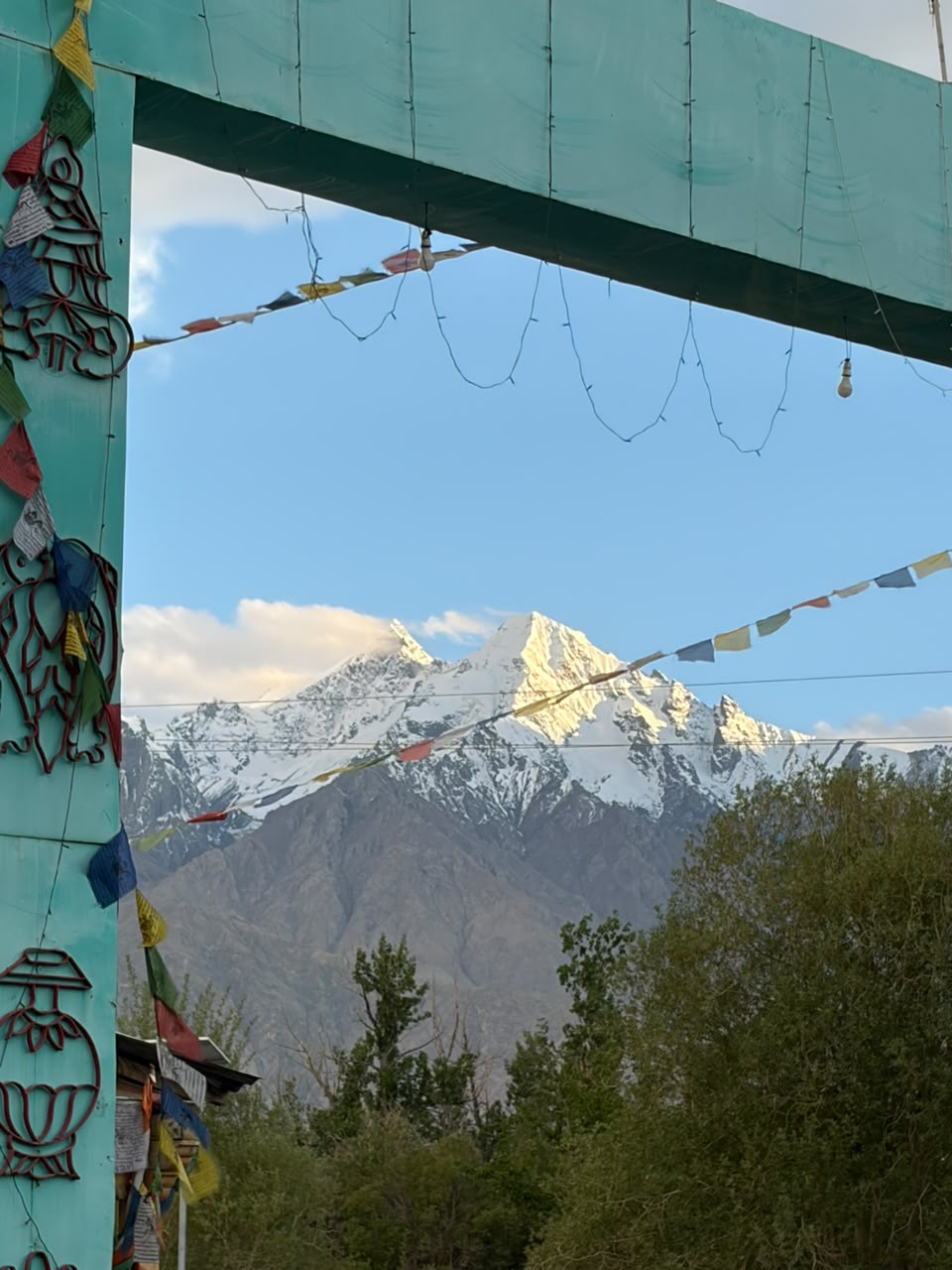
Leh Night Sky
Your trip starts in Leh, where you rest for 2 days and enjoy your first stargazing evening before traveling to higher sites.
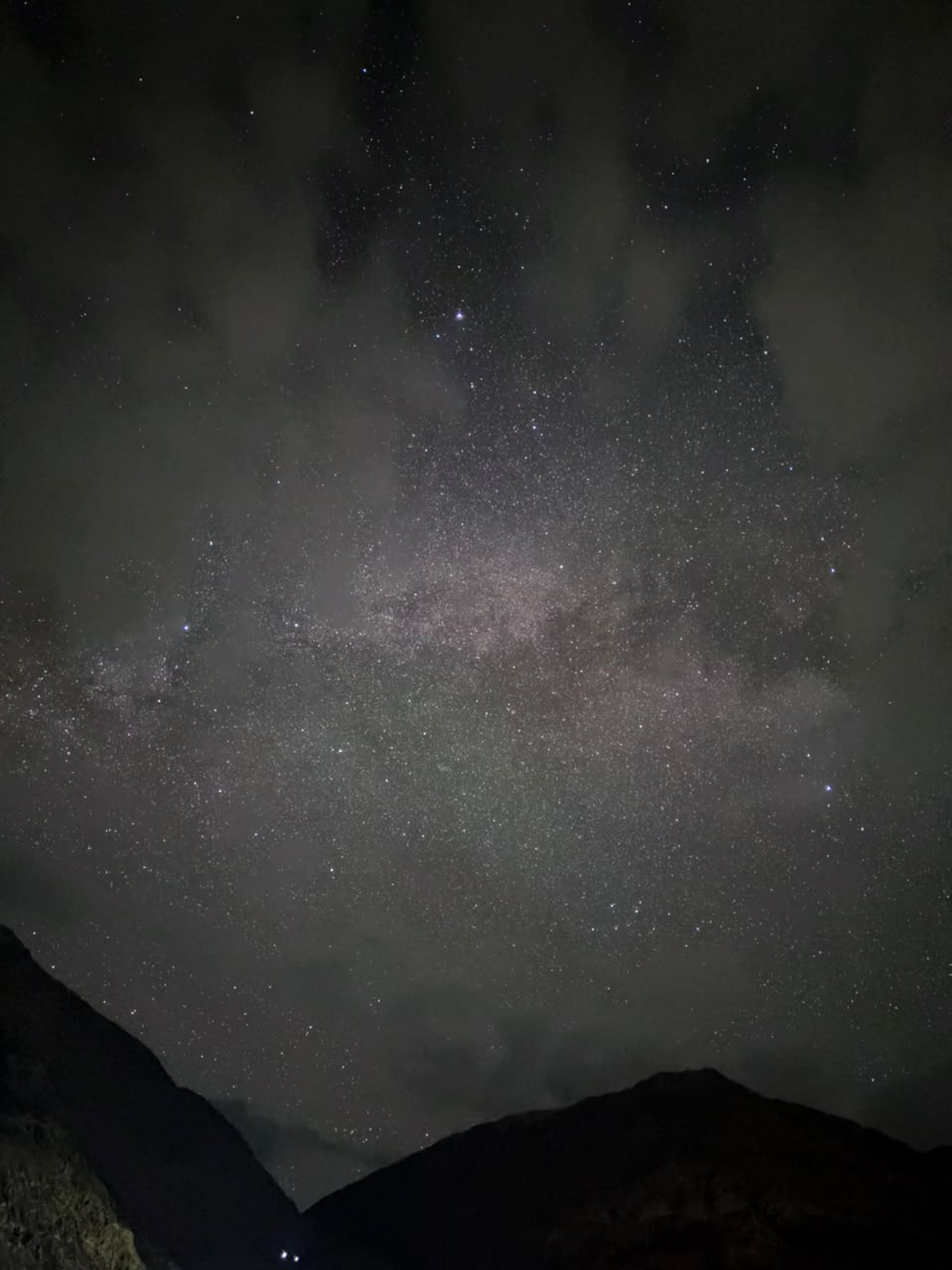
Imagine the Milky Way stretched across a pitch-dark Ladakh night sky, so bright you can see it without a telescope. We organize guided stargazing tours to Leh, Nubra Valley, Pangong Tso and Hanle Dark Sky Reserve, with permits, telescope sessions and rest days.
LehNubra ValleyPangong LakeHanle Dark Sky Reserve
Stellar Adventures organizes the best stargazing in Ladakh with a team of experienced astronomers, led by an ISRO-recognized space tutor. We explain the night sky in simple language for every guest.
We include rest days so families, bikers and photographers can adjust to the altitude before traveling to higher sites with darker skies.
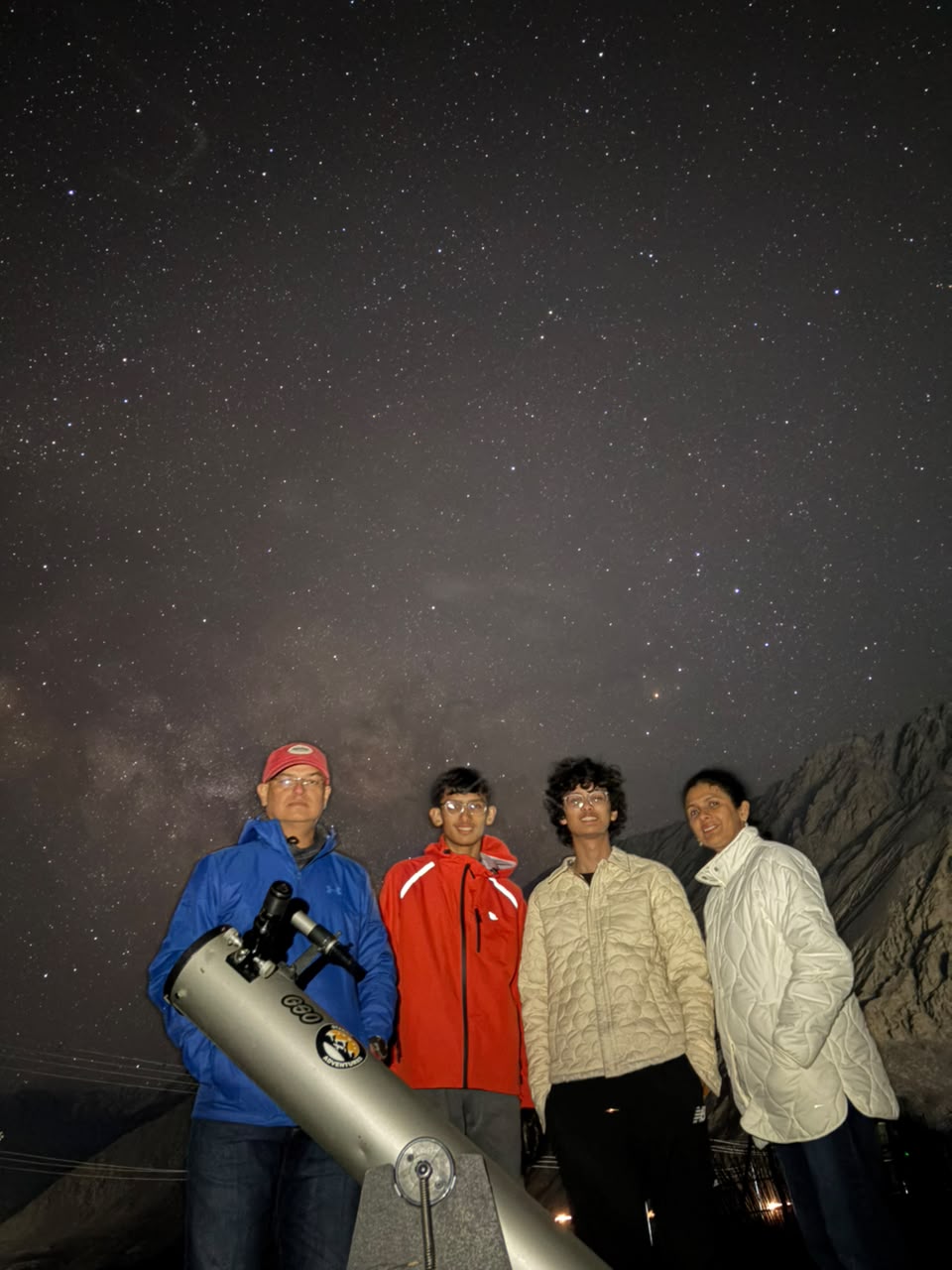
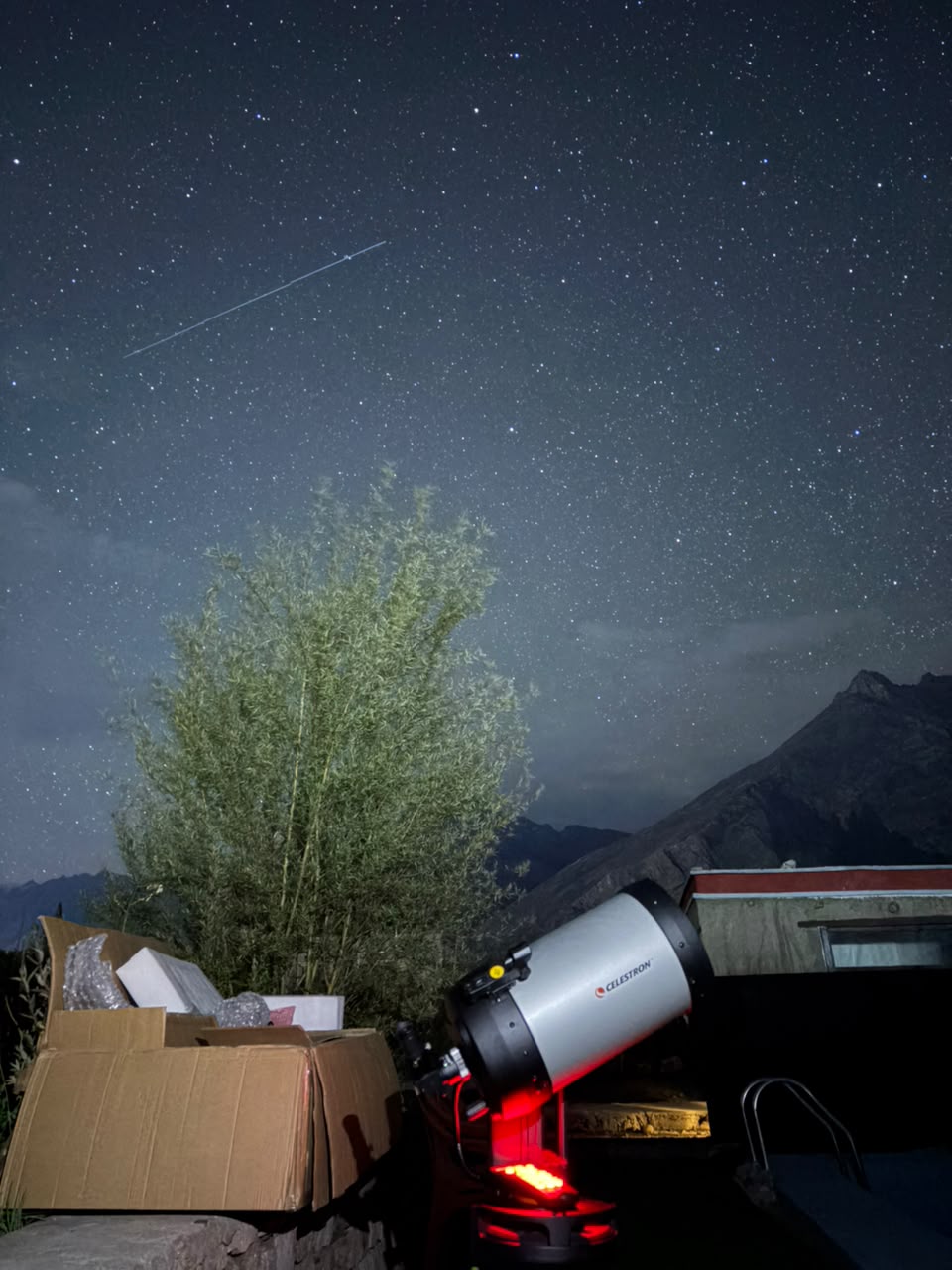
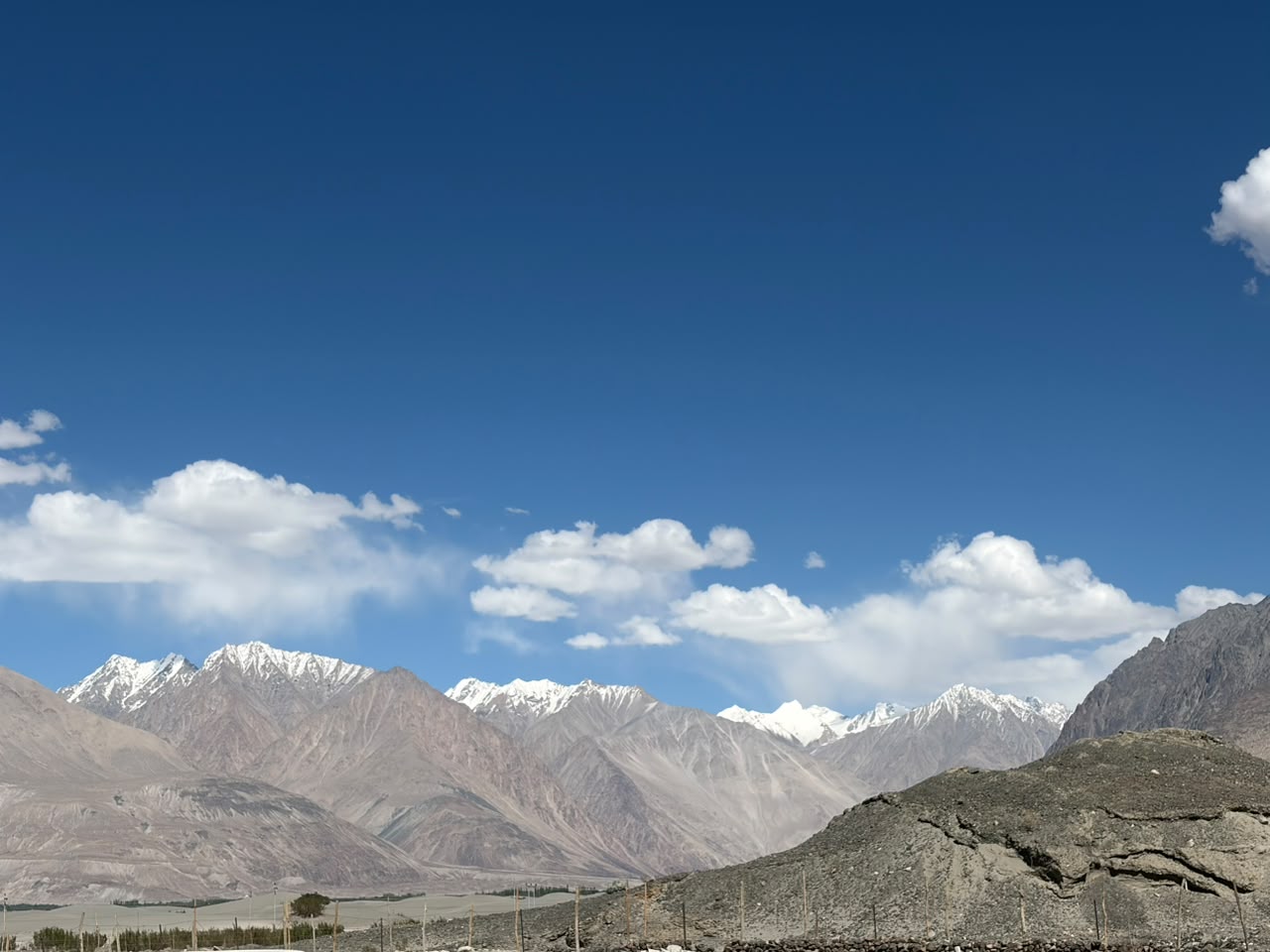
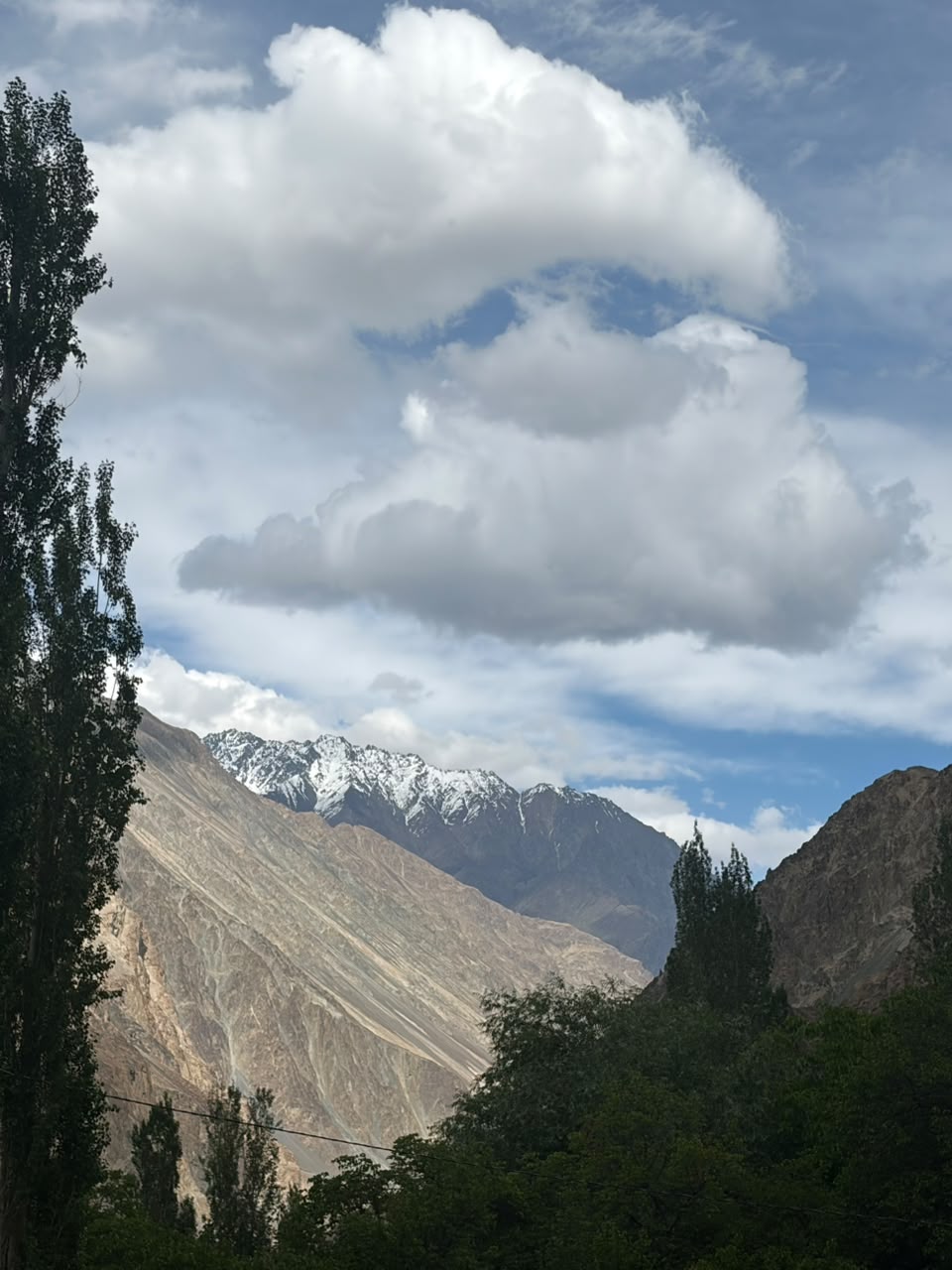
At 3,500 to 4,500 m, Ladakh's thin, dry and clear air lets you see far more stars than any city.
The high mountains block most rain clouds, giving Ladakh around 300 clear nights a year. With almost no artificial light, Hanle became India's first Dark Sky Reserve.
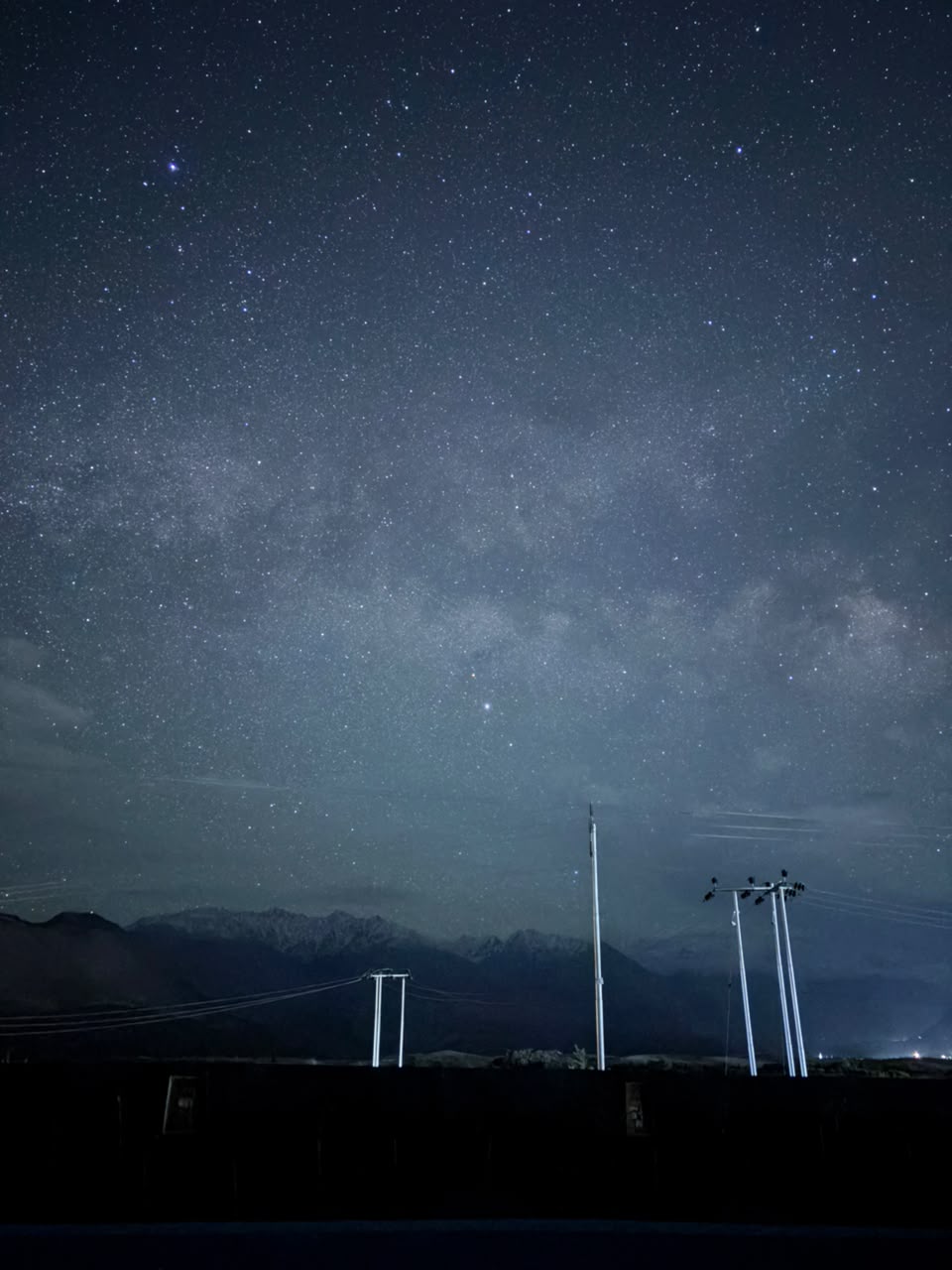
Together, the dry air and low light pollution make Ladakh one of India's best places to see the Milky Way.
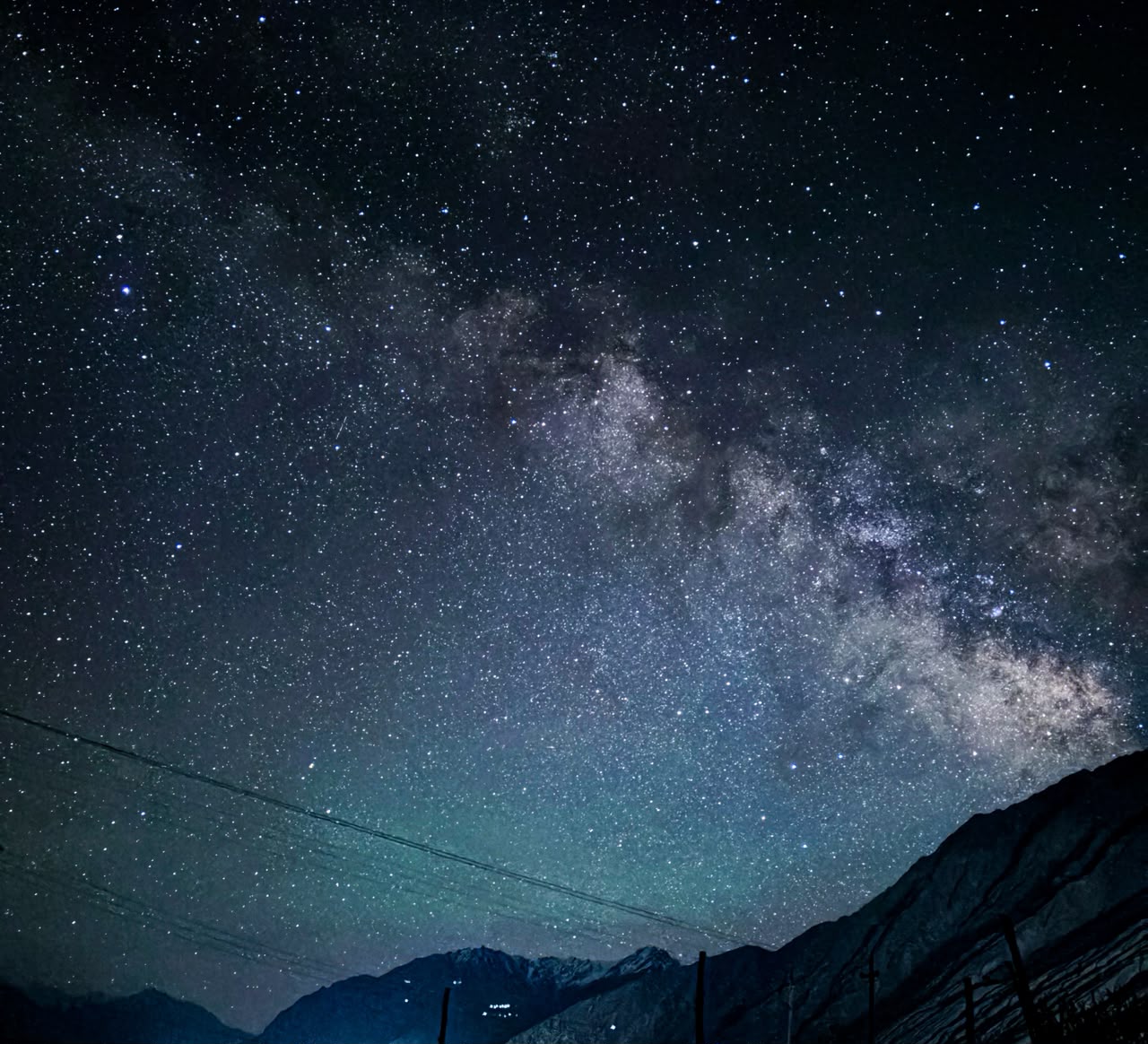
We organize guided stargazing sessions at the four places below, and we can plan one trip that covers several places.
Your trip starts in Leh, where you rest for 2 days and enjoy your first stargazing evening before traveling to higher sites.
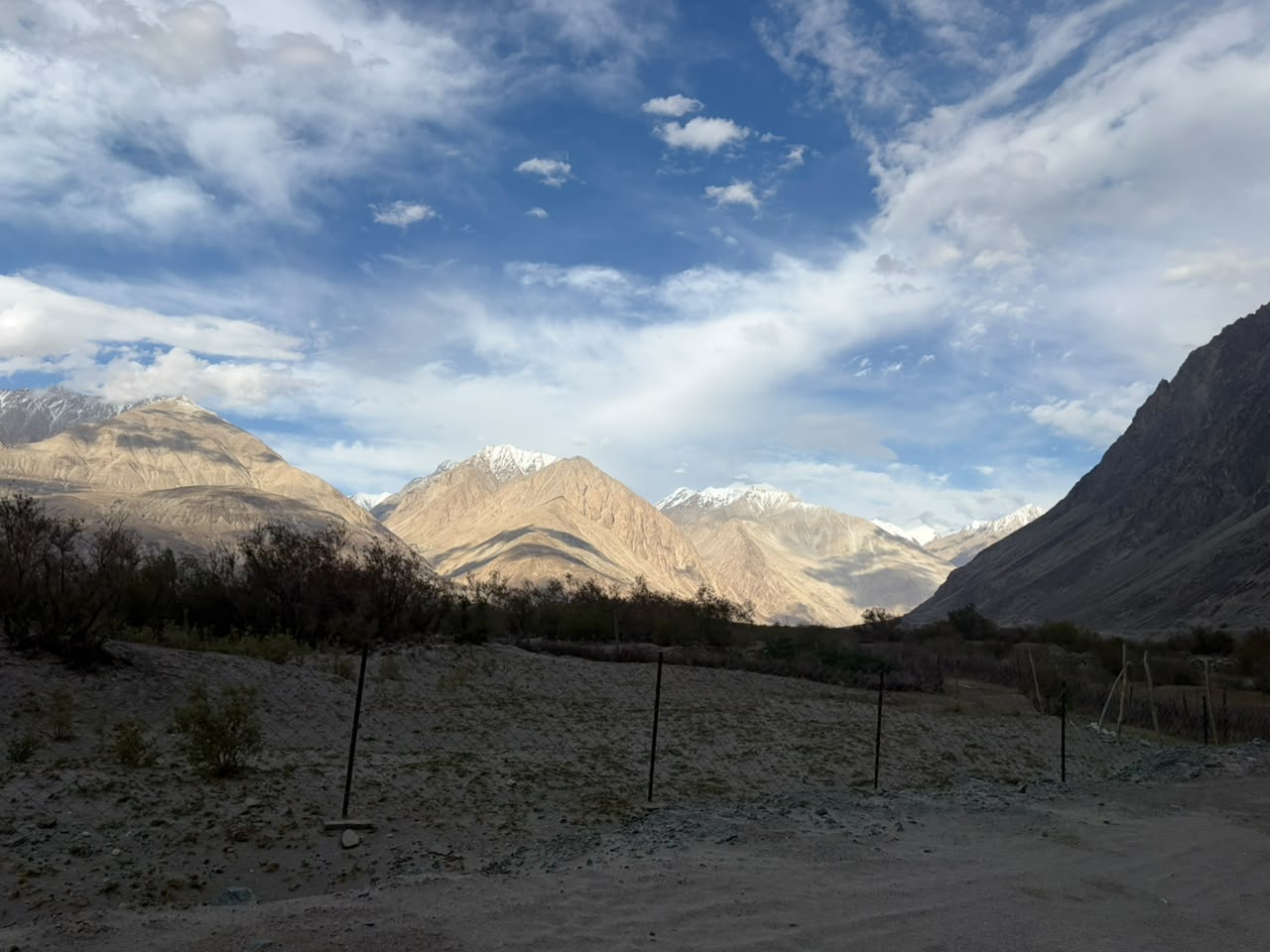
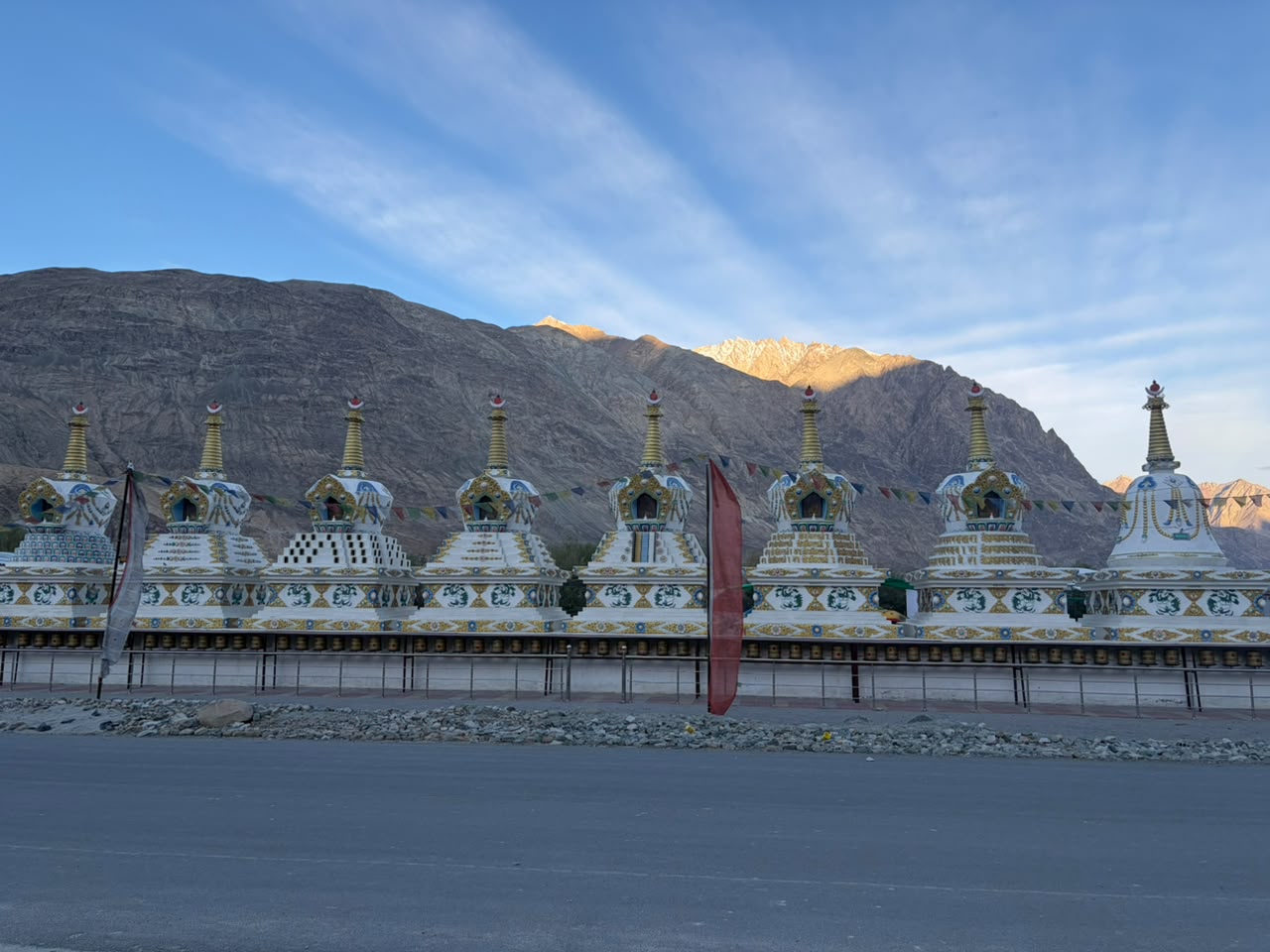
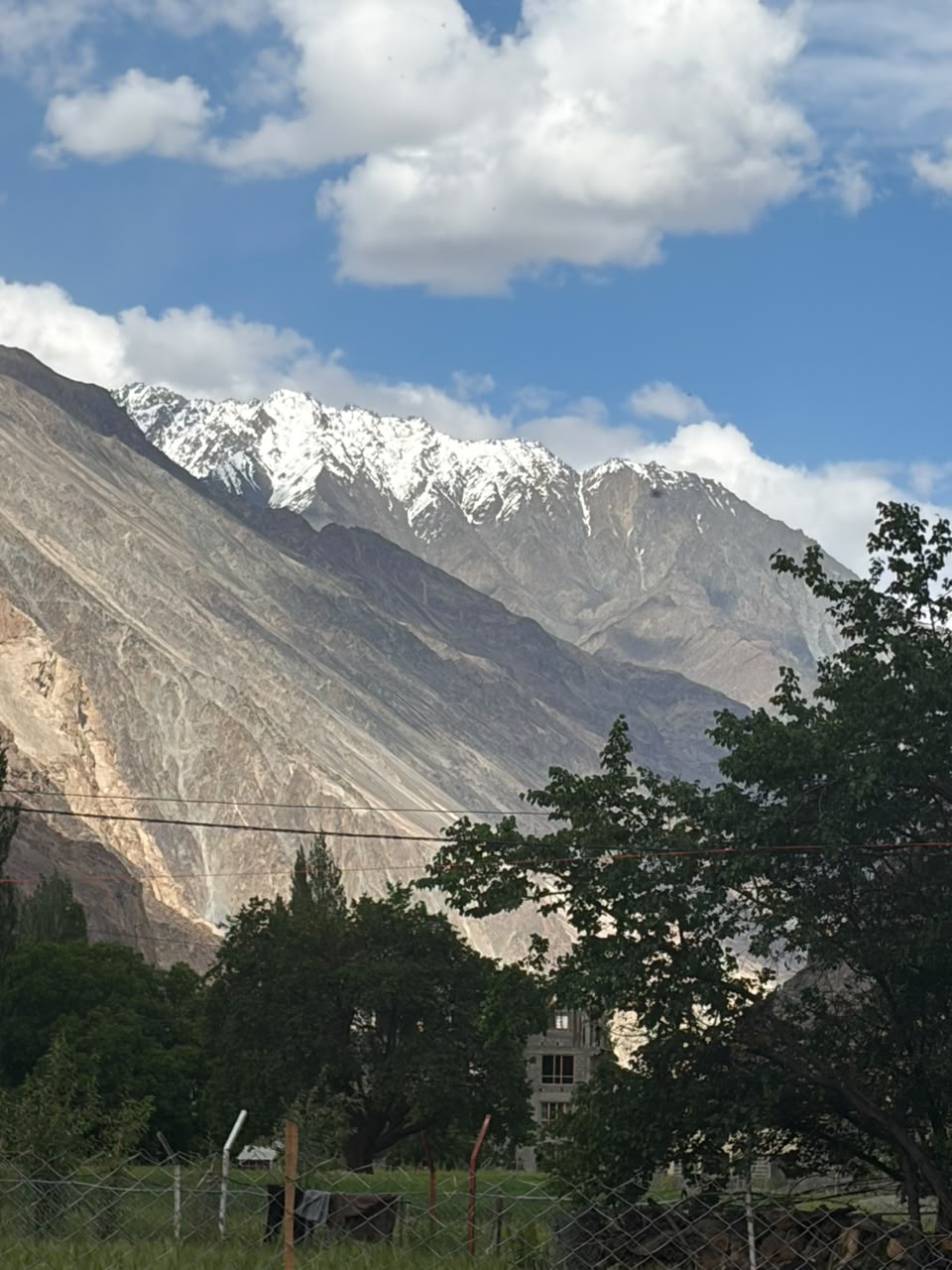
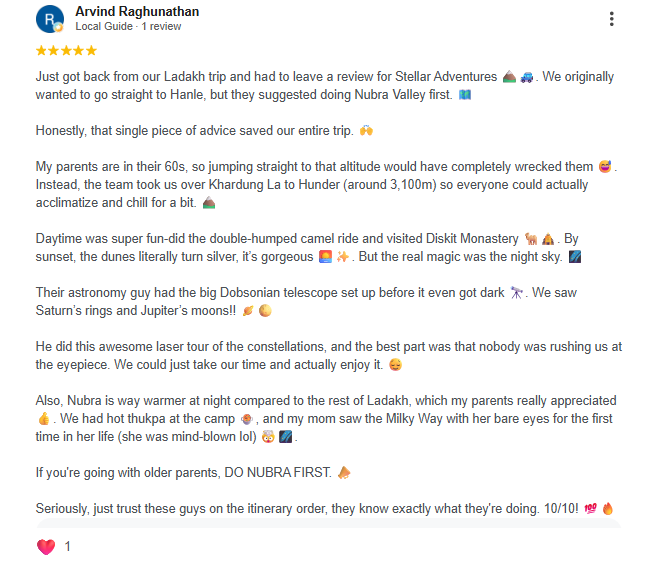
In Nubra Valley, the lowest stop on the route, we hold stargazing sessions by the sand dunes on warmer nights.
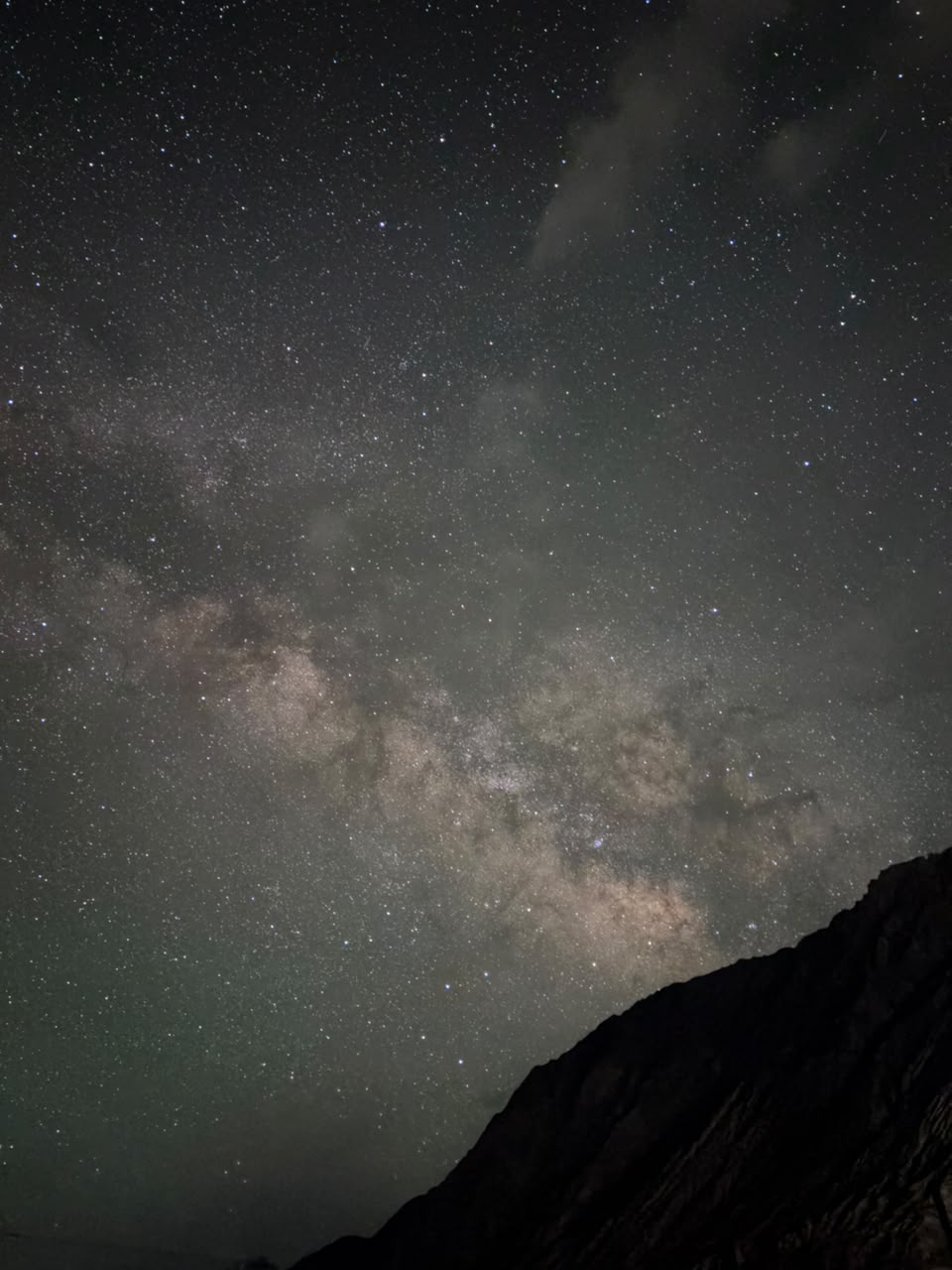
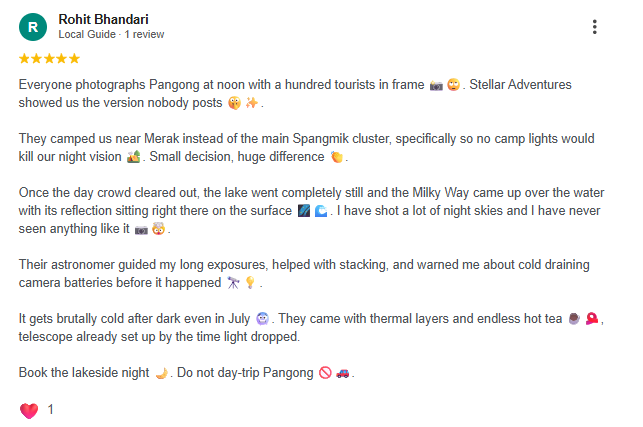
After crowds leave Pangong Tso, we hold stargazing sessions with views of the Milky Way and starlight on the water.
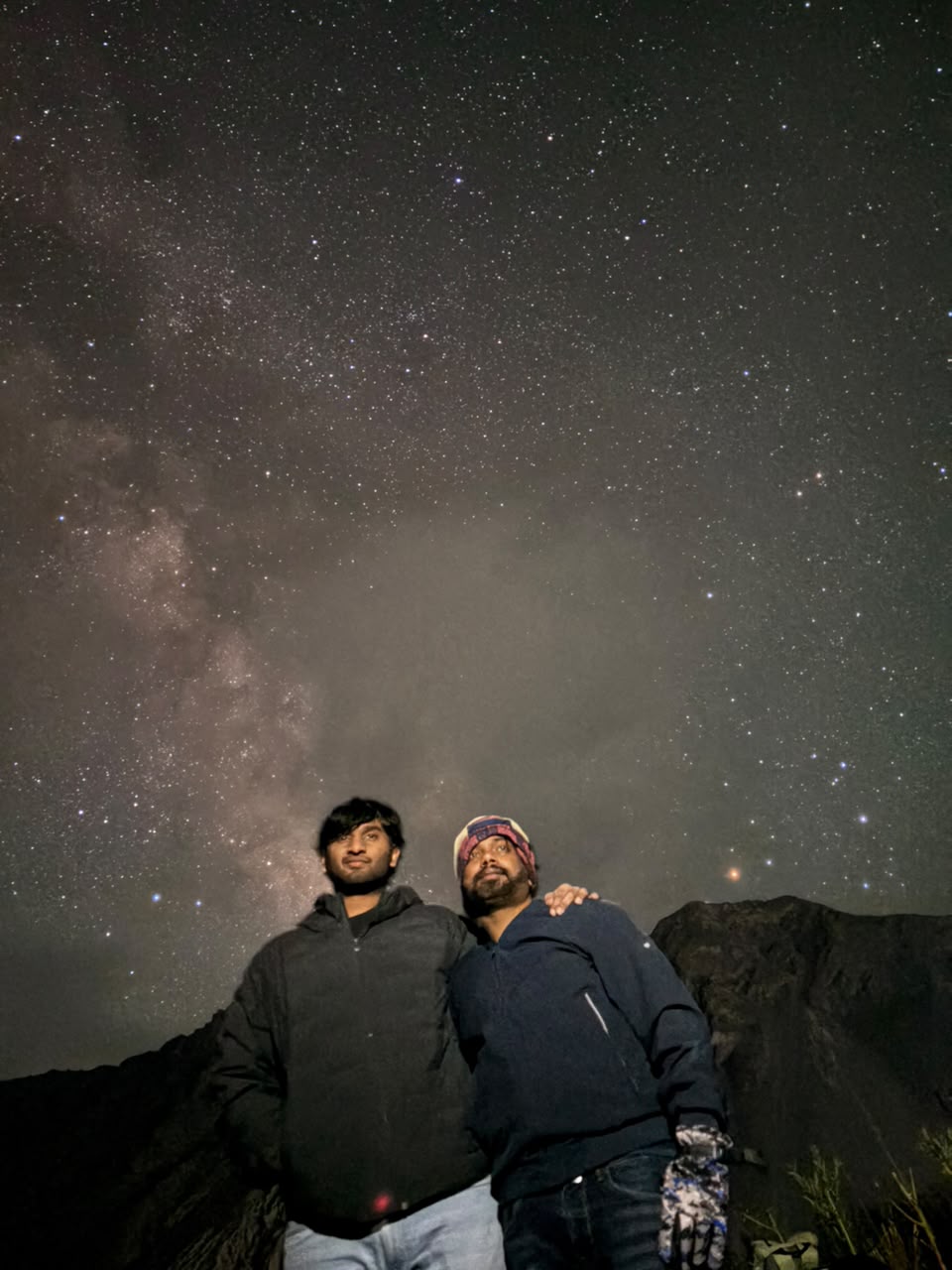
Hanle, inside India's first Dark Sky Reserve, is our main site, where you can see the Milky Way's bright centre.
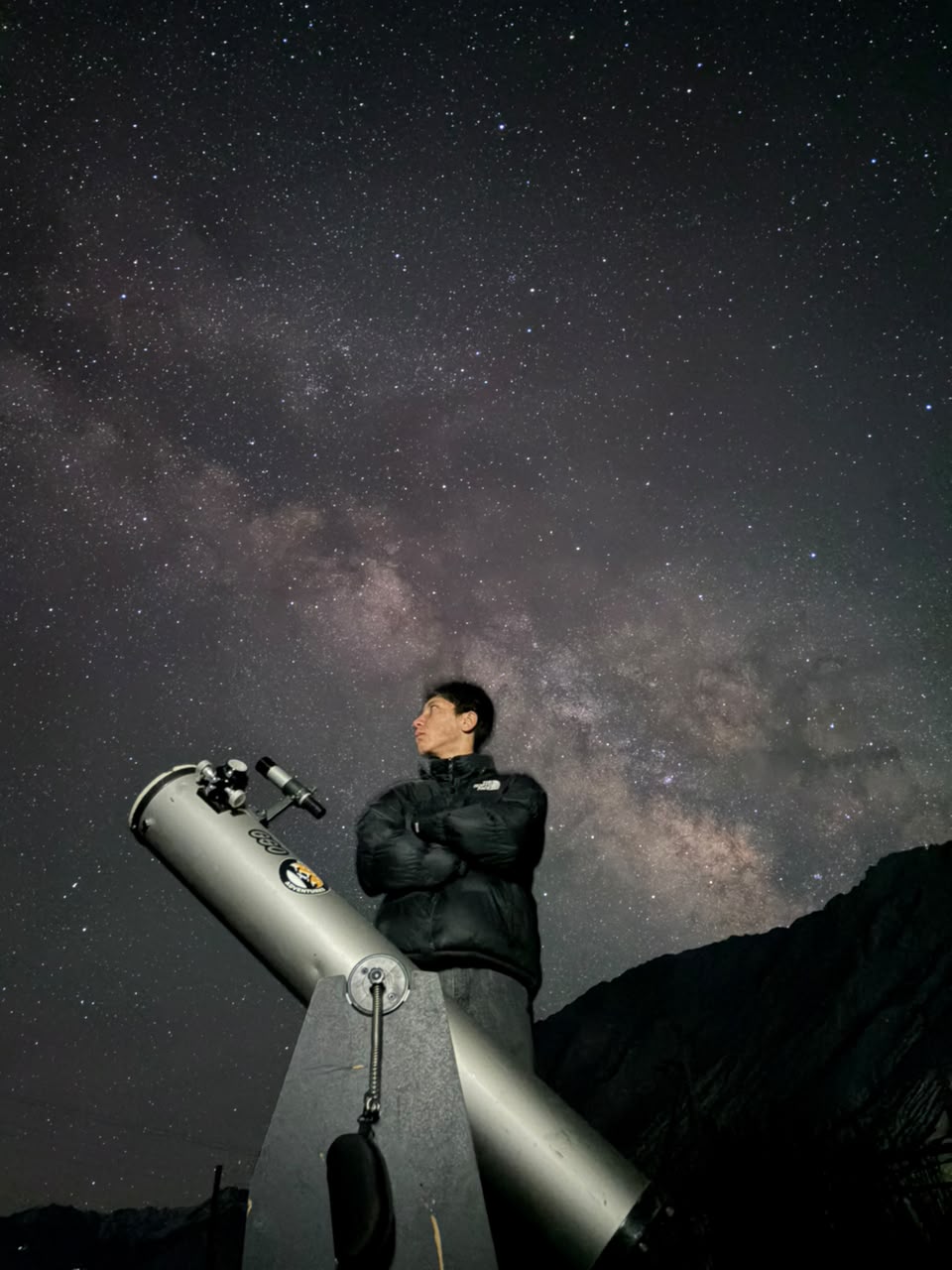
In December 2022, the land within about 22 km of Hanle village became India's first Dark Sky Reserve. The Indian Astronomical Observatory has studied this sky from the hill above the village for over 20 years.
By day, we take you to the Hanle Observatory area, a working research site that welcomes visitors only during the day. After sunset, we set up our telescopes on open ground nearby. Our trained local guides then help you find the Milky Way, planets and star clusters. Standing under the Milky Way at Hanle is a moment few travelers forget, so plan your visit early.
We plan every Ladakh stargazing package around the way you want to travel, from bike trips to family holidays.
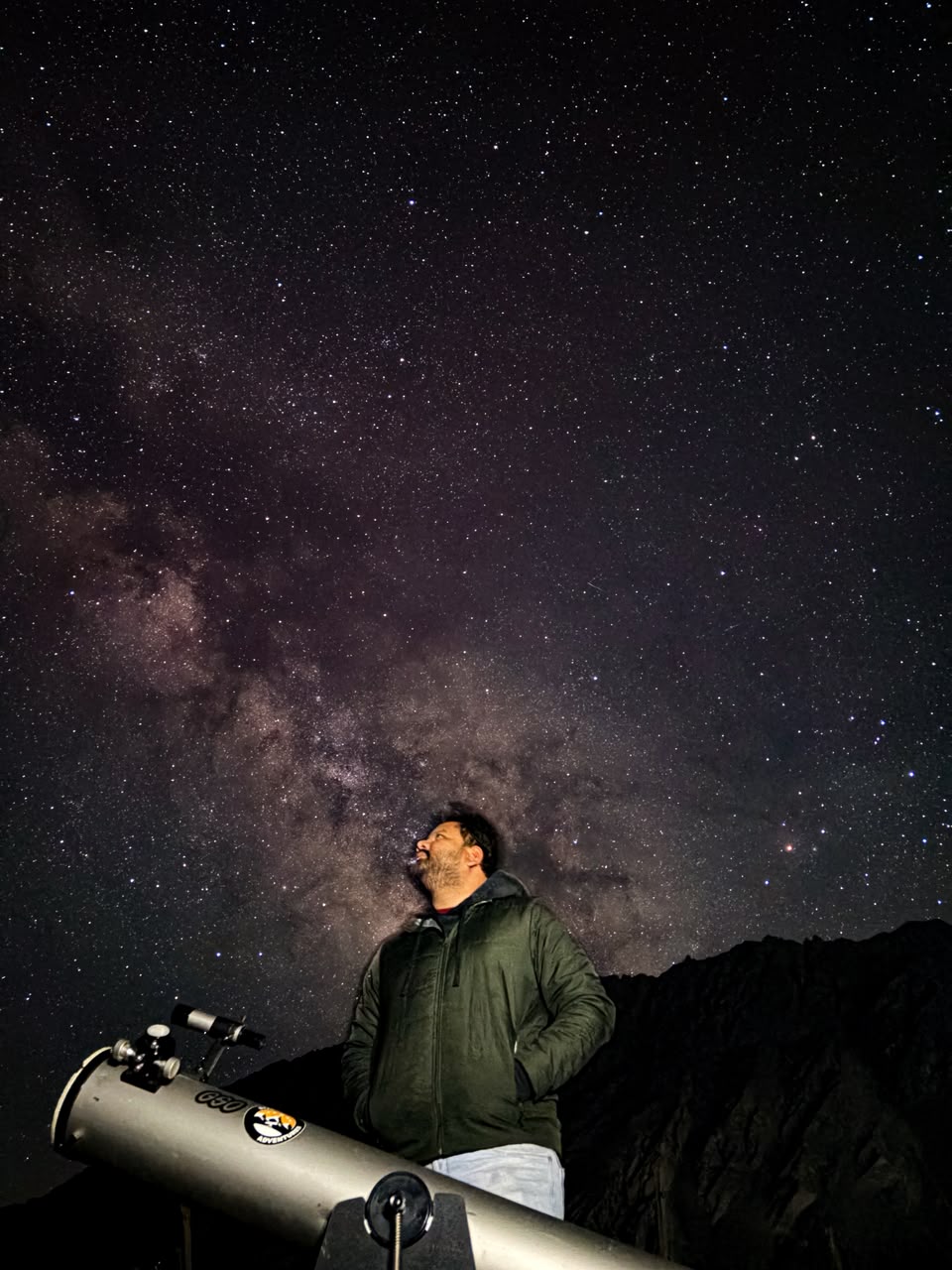
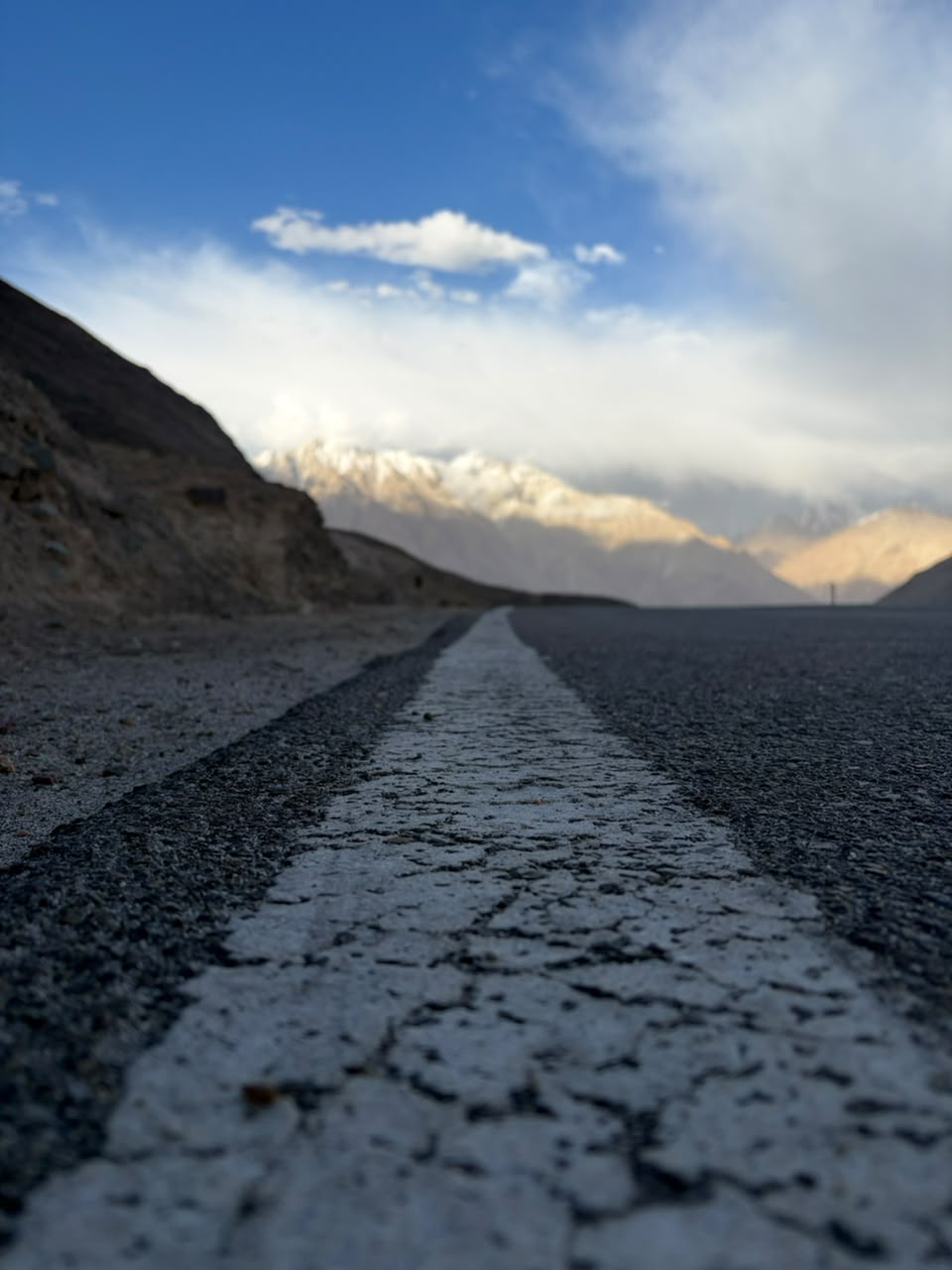
For bikers crossing passes like Khardung La, we organize stargazing trips with evening telescope sessions and a backup vehicle.
We organize astrophotography trips to Ladakh's darkest sites and teach you how to photograph the Milky Way and star trails.
For your stay, we arrange glamping domes, Swiss tents or Hanle homestays, along with home-cooked meals and hot drinks.
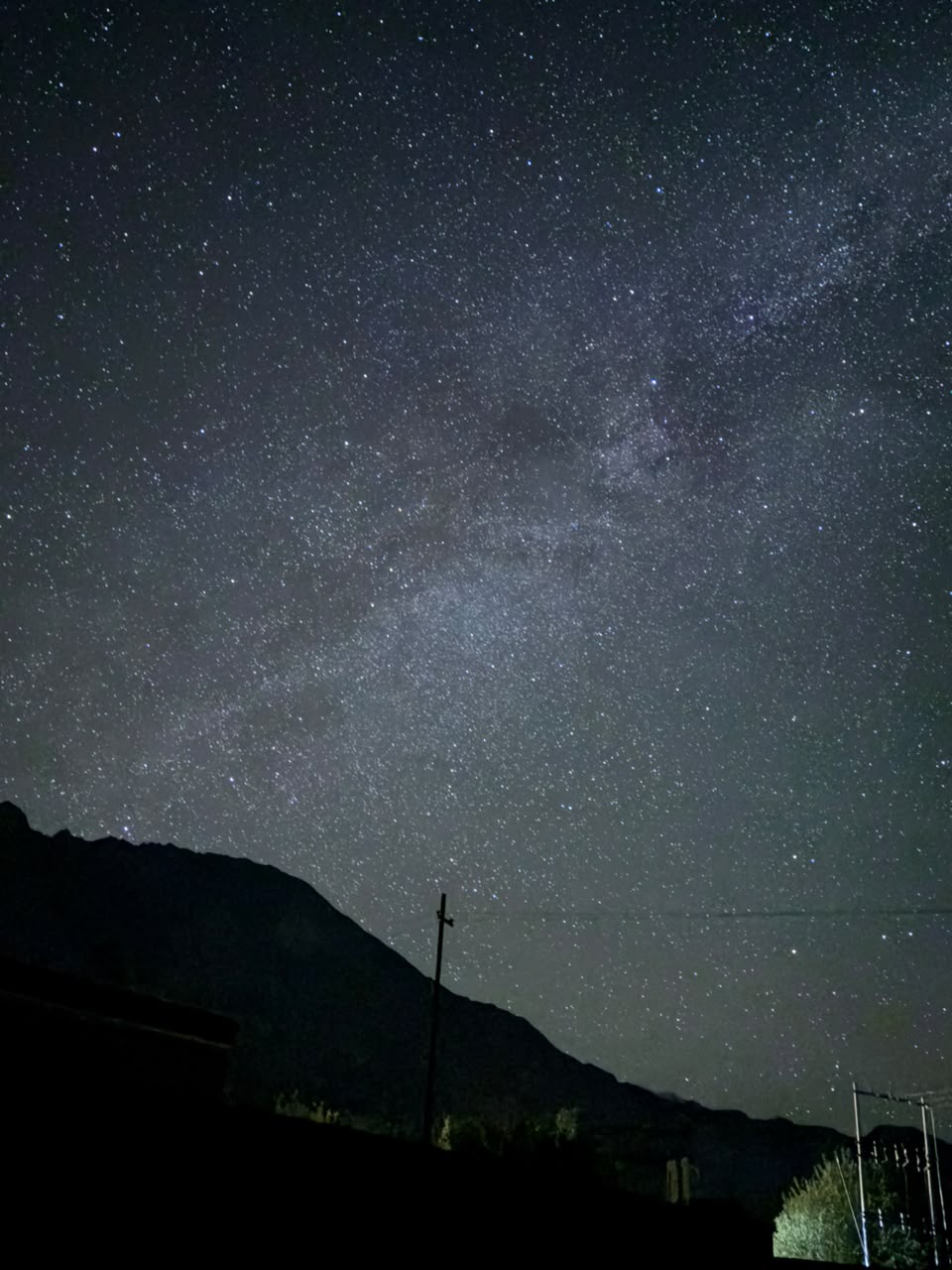
At Hanle and Pangong Tso, you can see the Milky Way, our home galaxy, as a bright band across the sky.
After about 20 minutes in the dark, your eyes adjust and you can see thousands more stars than in any city.
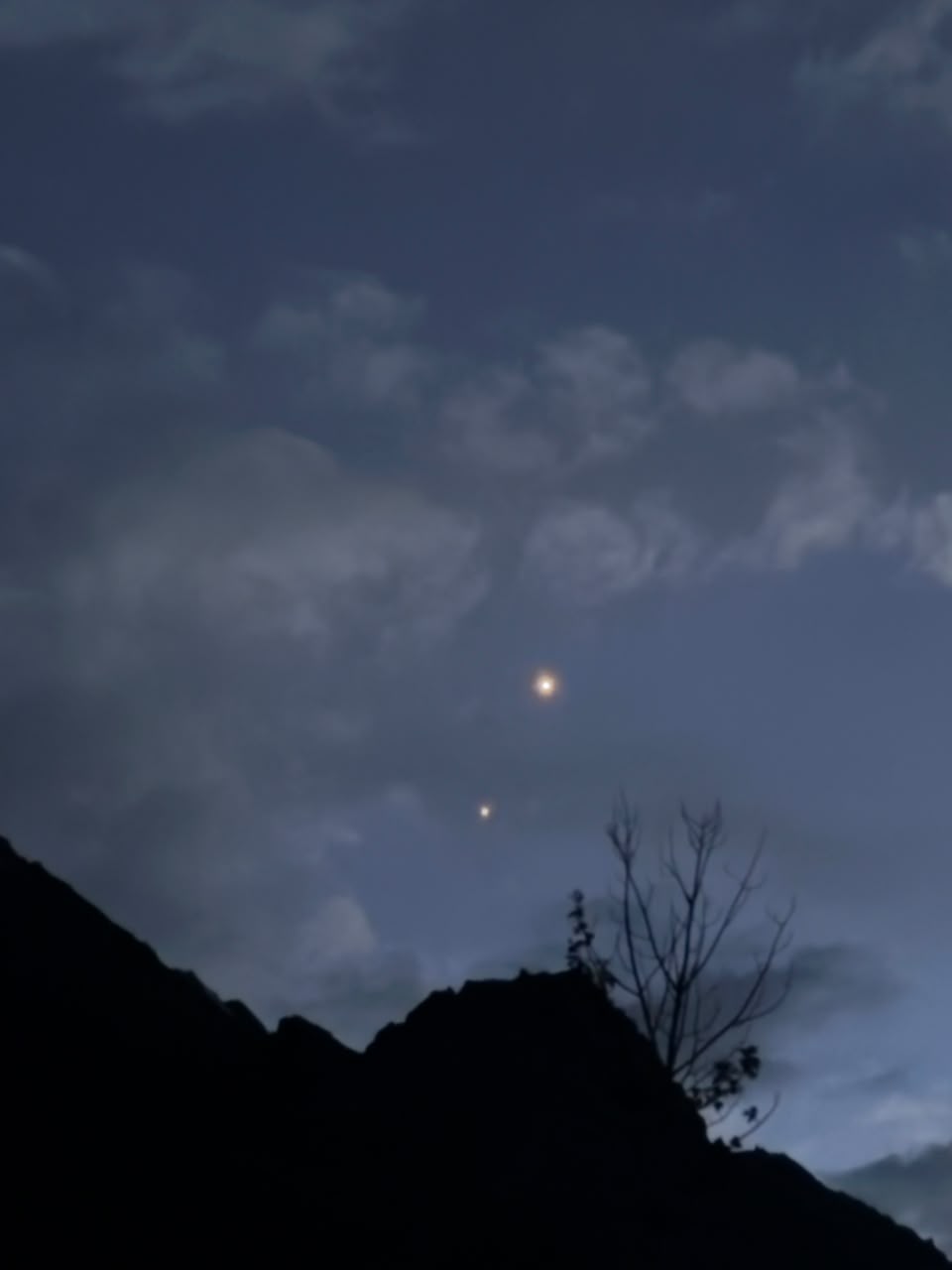
Ladakh's thin, steady air lets you see Saturn's rings and the stripes on Jupiter in sharp detail through our telescopes.
Through our large telescopes, you can see the Orion Nebula, the Andromeda Galaxy and star clusters far beyond our solar system.
On most clear evenings you can see shooting stars, and many more during meteor showers like the Perseids in August.
Strong solar storms can cause a rare red glow called an aurora, which cameras at Hanle recorded in May 2024. Because a red aurora is so rare, we cannot promise you will see a red sky during your trip.
By day, we take you to Hanle monastery, the Nubra sand dunes and Pangong Tso. After sunset, enjoy bonfire dinners, a guided sky tour with our laser pointer, and local food like thukpa, momos and butter tea.
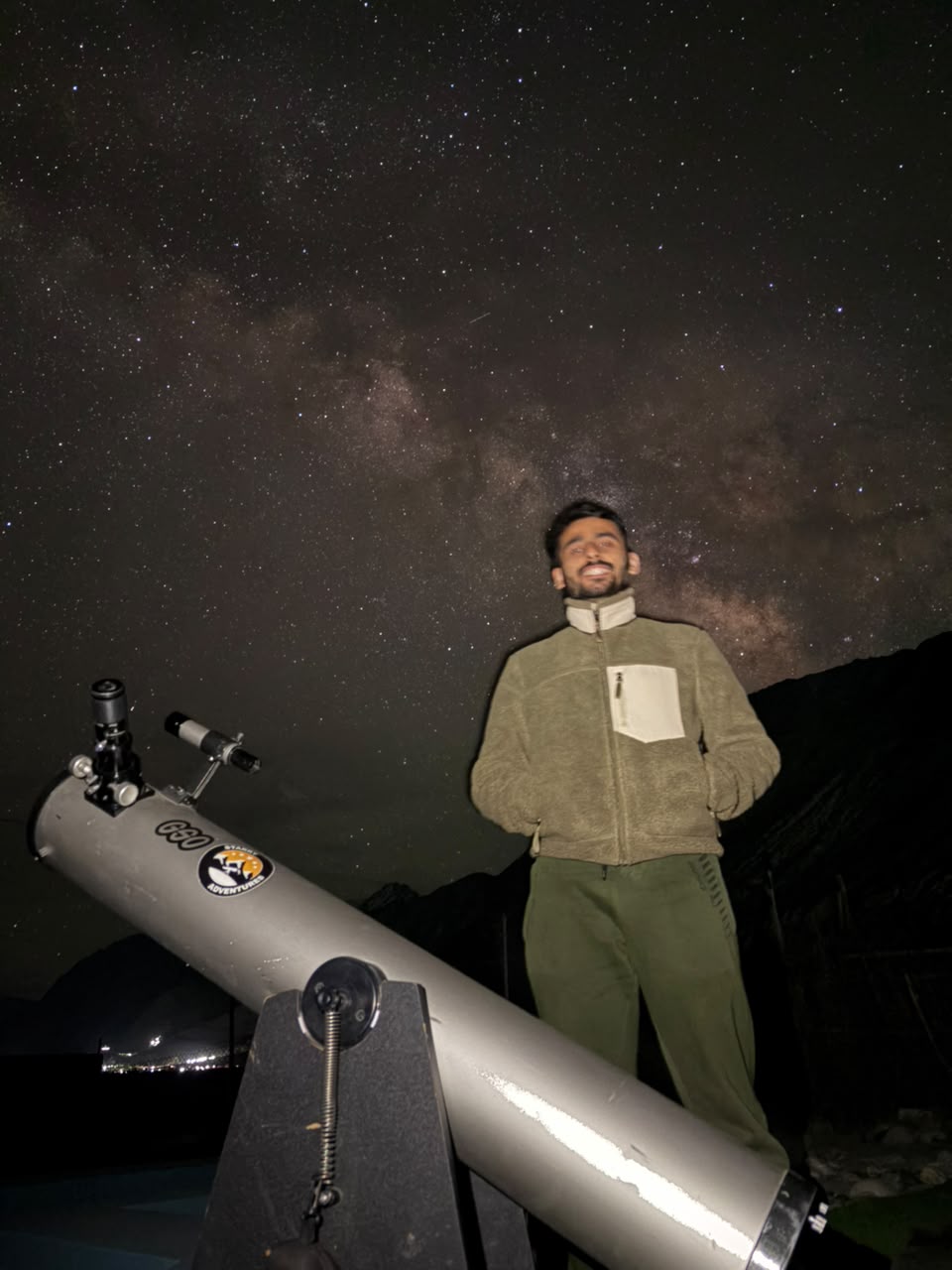
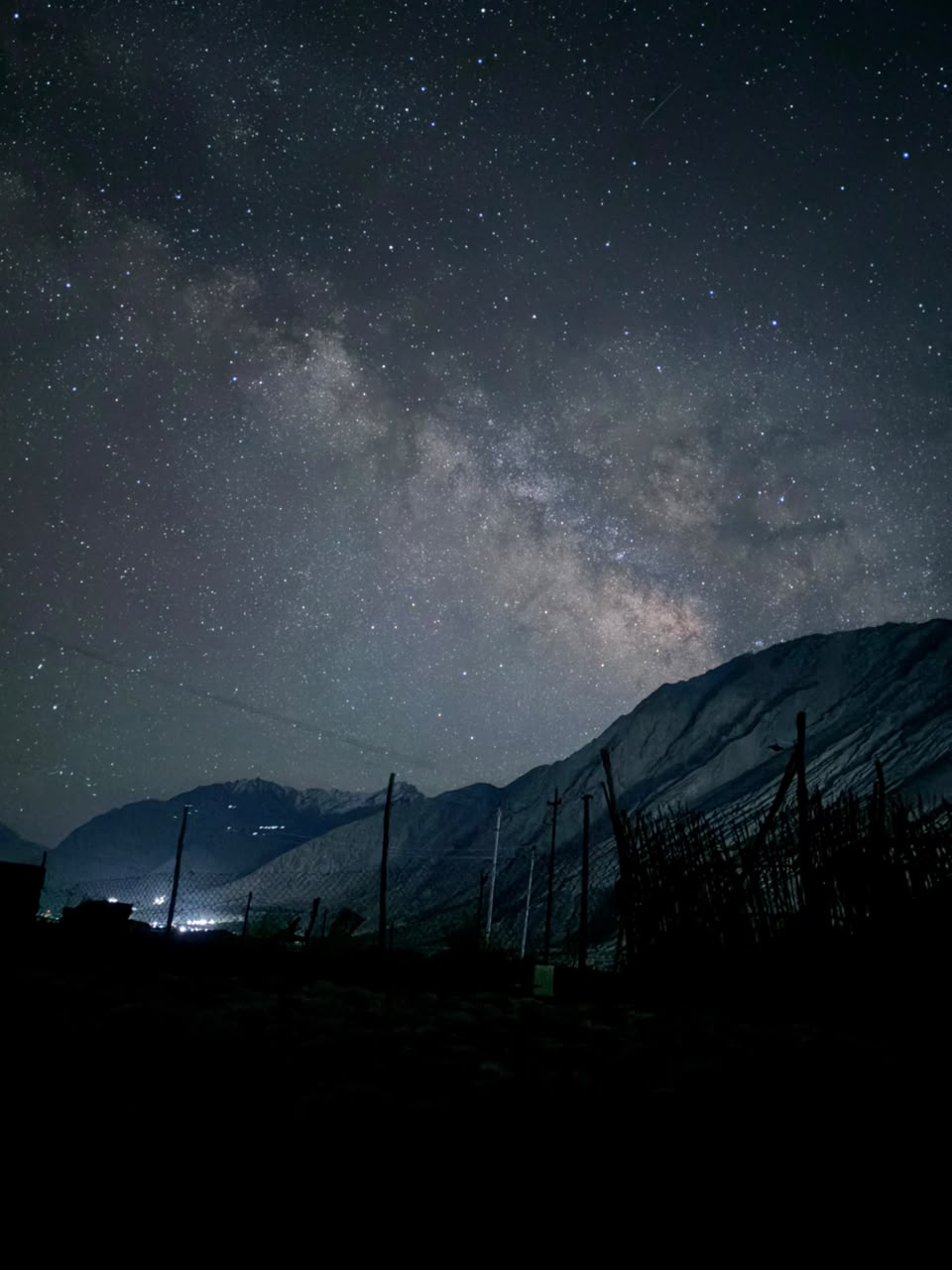
From May to October, we schedule Ladakh trips for weeks with less moonlight, when you can see more stars.
In May and June, the mountain passes reopen and the skies are clear, making May and June a good time to start your stargazing trip. Night temperatures at the higher sites stay around 0 to 5°C.
July and August are the busiest months in Ladakh, with the warmest nights of the year. In August, you can also watch the Perseids meteor shower.
We recommend September and October the most, because the air is very clear and there are fewer tourists. In October, you can also watch the Orionids meteor shower.
From November to April, we run trips only on special request, because temperatures fall to -20°C and many mountain passes close.
These are our two most popular routes, and we adjust the final plan to suit your dates and budget.
Ride by day, stargaze after sunset
Milky Way photos
Trips for couples
Join a group trip
Plans that suit your family
Team trips to Ladakh
Astronomy study trips
Galaxies and star clusters
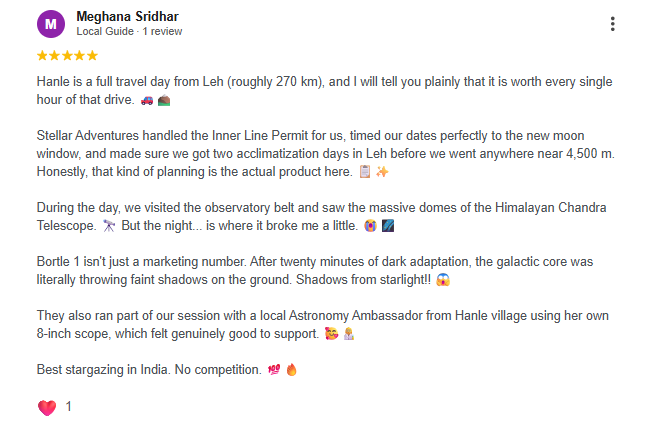
Permits, stays and new moon sessions take time to plan, so message us early to get the best dates and stays.
Tell us your dates, your group size and the places you want to see in Ladakh.
For the clearest views of faint stars, we choose dates with less moonlight and arrange permits, stays and transport.
You spend your first 2 days resting in Leh at 3,500 m, so your body adjusts to the altitude.
We set up the telescopes and help you identify stars and planets under the darkest skies in India.